The benefits of facial acupuncture, explained plainly
What needling the face and scalp can realistically help with — from chronic tension headaches
to facial nerve recovery — and which of the beauty claims are marketing rather than medicine.
Latest guideWhat needling the face and scalp can genuinely help with, from chronic tension headaches to facial nerve recovery — and which claims are marketing.
Every guide we have published
Long-form, evidence-led guides on the treatments people ask about most — what the research
actually shows, what it does not, and how to use them without dropping the care your doctor
already provides. The newest guide sits above; everything before it is filed away by category.
What acupuncture on the face and scalp can realistically help with — from chronic tension
headaches to facial nerve rehabilitation — and which claims are mostly marketing.
What traditional Ayurvedic medicine can realistically support, where the research is still
thin, and how to start without giving up the care your doctor already provides.
What a scalp massage at a wash basin actually does for stress, tension headaches, sleep and
hair — which claims have research behind them, and which are mostly marketing.
Every published guide is listed above — the newest one first, the rest inside the category
drop-downs. To add a new one, copy a row, then change
the image, the headline, the summary and the date, point the link at the new
article, and move it into the right category. If that category does not exist yet, copy a whole
drop-down group and rename it. Nothing else needs editing.
One calm email a week
Evidence-led notes on sleep, food, movement and stress — written by humans, sent on Sundays,
and easy to leave.
The benefits of a head spa treatment, explained plainly
What a scalp massage at a wash basin actually does for stress, tension headaches, sleep and hair —
which claims have real research behind them, and which are mostly marketing.
By the Wellroot Health Desk18 June 20258 min readReviewed by a GP
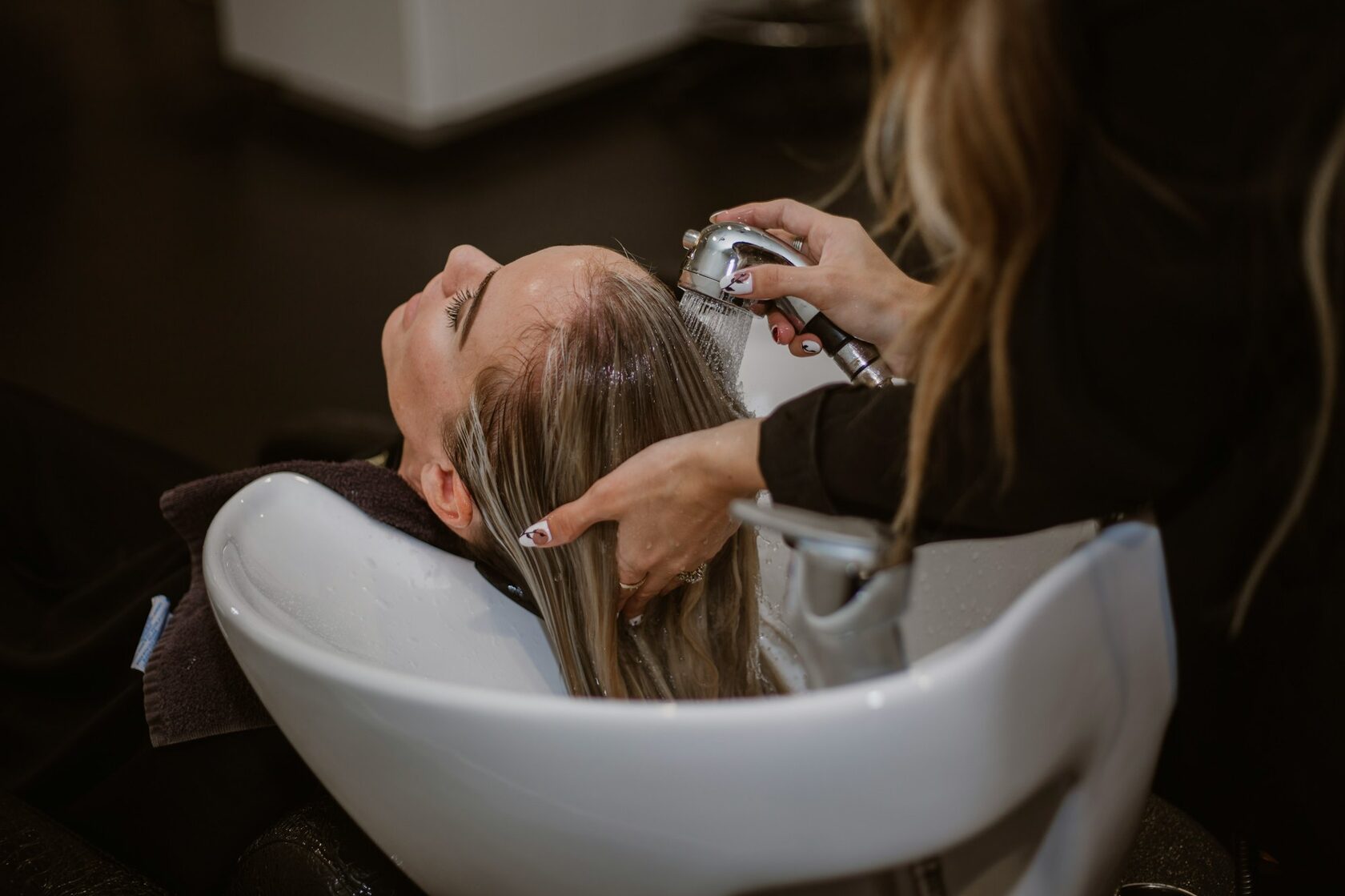
A head spa combines a hair cleanse at a basin with sustained scalp massage — a treatment built
around relaxation as much as grooming.
In a hurry
A head spa is a scalp massage and deep cleanse performed at a reclining wash basin.
The best-supported benefits are relaxation, lower physical tension and a cleaner scalp — not faster hair growth.
Evidence for stress relief is promising but small-scale; it is a genuine relaxation technique, not a medical treatment.
Book it every four to eight weeks for maintenance, and always tell the therapist about scalp conditions.
A head spa treatment — a reclining basin, a rinse, and half an hour of unhurried scalp work —
has moved from beauty counters into mainstream wellness faster than almost any other treatment
of its kind. It looks indulgent. The interesting question is whether it is more than that.
The short answer is that the benefits are real but narrower than the advertising suggests.
A head spa is a well-designed relaxation technique that happens to involve your scalp, your
neck and a warm stream of water. Used alongside ordinary hair care, it can genuinely help with
stress, muscular tension and scalp comfort. It will not regrow hair, it is not a treatment for
medical conditions, and it does not replace a consultation with your doctor.
What a head spa treatment actually involves
"Head spa" covers a range of formats, from a ten-minute add-on at a salon to a full
sixty-minute ritual. Most follow the same arc: a short consultation, a cleanse or conditioning
treatment, then the scalp massage itself, followed by a rinse and a style or blow-dry.
Cleanse or conditioning. A water-only cleanse or a mild shampoo, sometimes with a steam compress to soften the scalp.
Scalp massage. Fingertips working in small circles across the whole scalp, with pressure varying by area — lighter over the temples, firmer across the crown and the base of the skull.
Neck and shoulder work. The muscles under the skull and along the top of the shoulders receive the most sustained attention, because that is where screen-and-desk tension collects.
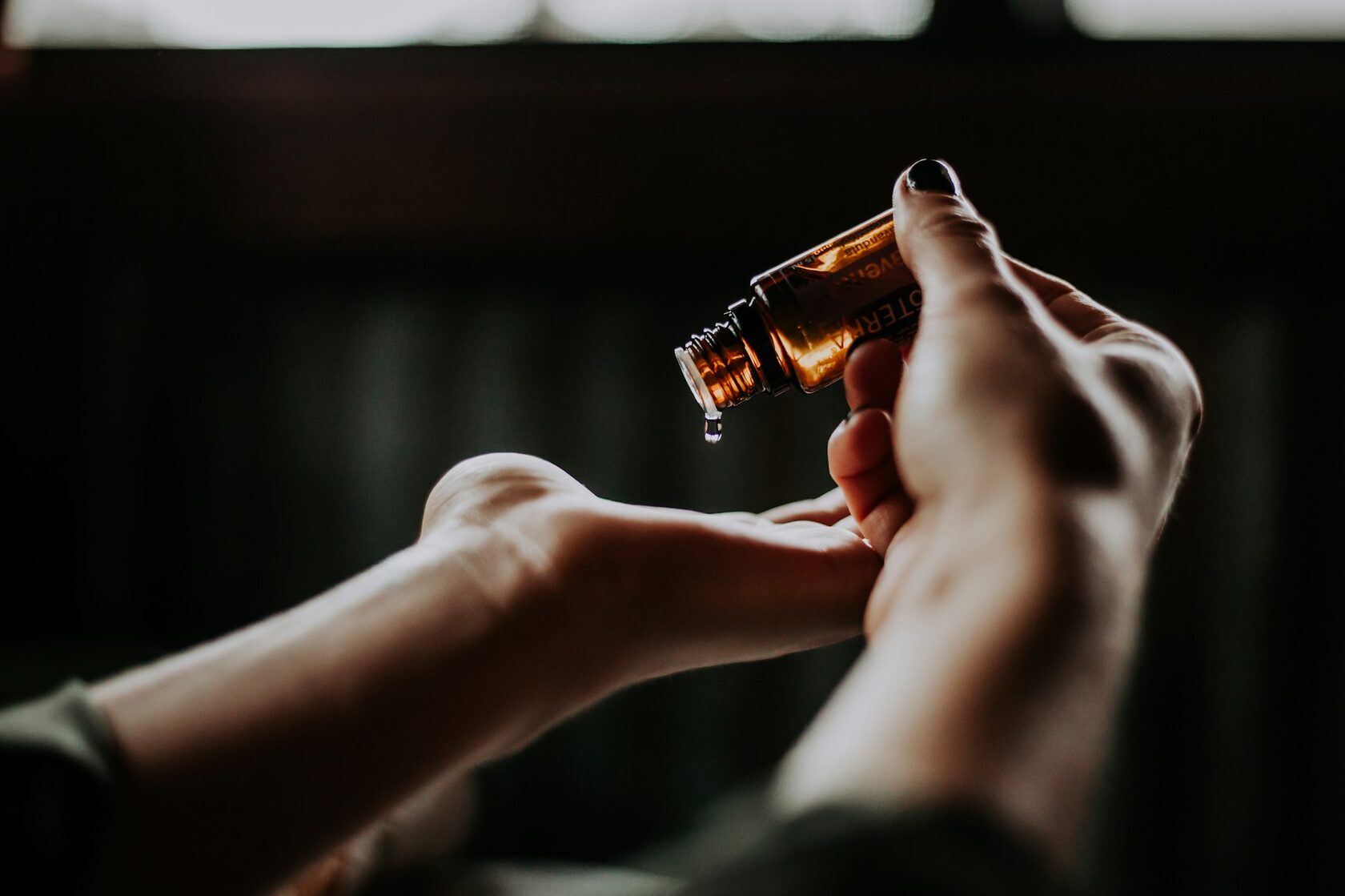
Optional extras. Steam, warm towels, essential oils, a leave-in treatment or a brief dry-brush before the wash.
The benefits with the best evidence behind them
Stress and the nervous system
This is where the strongest evidence sits, and it is worth being precise about it. In a small
controlled study published in the Journal of Physiological Anthropology, participants
who received ten minutes of head massage showed a reduction in blood pressure and in
stress-hormone markers immediately afterwards. Other small studies have reported similar
short-term drops in perceived anxiety.
The mechanism is plausible and undramatic: sustained touch, a warm environment, a fixed
position and a task with no decisions to make all lower arousal. That is closer to a short
mindfulness session than to a medical intervention — which is exactly why it is worth doing
and exactly why it should not be sold as a treatment for anxiety disorders.
Tension in the neck, shoulders and head
The muscles at the base of the skull and along the upper shoulders are commonly tight, and a
head spa works on them directly and for a sustained period. Warm water relaxes tissue, and
the massage itself reduces the protective tension people hold without noticing. For the
everyday, screen-driven version of a tension headache — tight temples, aching neck, a heavy
feeling around the skull — many people find this genuinely helpful.
A head spa is best understood as forty minutes of enforced stillness with a useful purpose
attached — which is also why it works on people who find a normal massage too stimulating.
Wellroot editorial note
Sleep
There is no good evidence that a head spa directly improves sleep quality — no sleep-lab
studies, no convincing insomnia trials. What does exist is indirect: the treatment lowers
arousal and is usually booked in the evening, both of which are known to help people wind
down. Treat it as a reliable transition ritual rather than a sleep intervention.
Scalp and hair comfort
Here the mechanism is straightforward and visible. A proper cleanse removes product buildup,
excess sebum and residue that contribute to itching, flaking and a dull, heavy feeling in the
hair. Regular gentle scalp massage can also reduce the itch that follows a buildup, because
scratching and sensitivity are common consequences of an irritated scalp. Plenty of people
notice that their hair feels lighter and behaves better between washes.
The neck and shoulder muscles receive the longest, firmest part of the treatment.
What about hair growth?
This is the claim most often exaggerated. Scalp massage does increase local blood flow while
it happens, and there is a reasonable biological argument that better circulation supports
follicle function. The clinical evidence is thin: a handful of small studies, most with
subjective or indirect measures, some in animals, none large or replicated enough to be
treated as settled. There is no good evidence that a head spa speeds up hair growth in
someone with an underlying cause of hair loss.
That distinction matters more than it sounds. Hair that thins suddenly, in patches, or along
a widening parting is a medical signal — iron deficiency, thyroid problems, alopecia areata
and medication side effects are all common causes, and all of them need a doctor, not a
treatment menu. A head spa is a lovely thing to do while you wait for that appointment.
It is not the appointment.
A realistic expectation
Think of a head spa as maintenance for the scalp, neck and nervous system — closer to a
deep relaxation session with a good hair wash attached than to a therapy with a named
outcome. If your scalp is comfortable and your hair feels healthy, you are getting the
most it realistically offers.
How to get the most from a session
Ask what is included. A proper treatment should include a scalp massage of at least fifteen minutes, not a quick massage between rinsing steps.
Say what you want. "I carry tension in my neck and shoulders" leads to a different treatment than "I want to relax."
Check the products. Ask whether fragrance or essential oils are used. If you are pregnant, have allergies or a sensitive scalp, say so before anything touches your skin.
Keep the pressure comfortable. A good therapist checks in and adjusts. Clear, slightly deeper pressure on the scalp is normal; anything sharp is not.
Go to bed soon afterwards. The treatment leaves you pleasantly tired. It is most useful as the last hour of the day.
Book on a rhythm. Every four to eight weeks suits most people. Weekly sessions add cost without adding much benefit for a healthy scalp.
Is it safe?
For most people, yes. The risks are low and mostly about technique and ingredients rather
than about massage itself.
You should skip it, or check with your doctor first, if you have an active scalp infection,
open wounds, a recent scalp procedure or head injury, an acute flare of eczema or psoriasis,
or if you take blood-thinning medication. Tell the therapist if you wear extensions, have
tight or braided hair, or have dreadlocks, so the work can be adapted. If you are pregnant,
check which oils are used first.
Frequently asked questions
What exactly happens in a head spa treatment?
You recline at a wash basin. After a consultation, the scalp is cleansed or conditioned — sometimes with a steam compress — then massaged with the fingertips in small circular movements across the whole head, working down into the neck and shoulder muscles. The hair is rinsed, treated and dried or styled. Sessions usually run 30 to 60 minutes.
Does a head spa really help with stress?
It reliably reduces short-term perceived stress, and a small controlled study found reductions in blood pressure and stress-hormone markers after ten minutes of head massage. The evidence base is still small, so treat it as a genuine relaxation technique rather than a treatment for a diagnosed anxiety condition. For anxiety that is affecting your daily life, a GP or therapist should be involved.
Can a head spa make my hair grow faster?
There is no convincing clinical evidence that it does. Scalp massage increases local blood flow while it happens, and there is plausible biology behind that, but the studies are small, partly animal-based and not replicated at scale. It may improve how your hair feels by removing buildup and reducing an itchy scalp, which is a different claim — and a real one.
How often should I get one?
Every four to eight weeks is a sensible rhythm for most people, and monthly is plenty for maintenance. If you work at a desk, hold tension in your neck, or find that your scalp gets oily or itchy quickly, going more often can be useful. Weekly sessions rarely add much beyond that.
Is it safe if I have a sensitive scalp or a skin condition?
Book with care. Tell the therapist about any scalp condition before the treatment starts, and ask them to use fragrance-free products if you are reactive. Avoid treatment during an active eczema or psoriasis flare, over open wounds or a recent procedure, and check with your doctor if you take blood-thinning medication or are pregnant.
Sources
Iwao H, Taniguchi K. The effect of head massage on the autonomic nervous system. Journal of Physiological Anthropology, 2016.
National Center for Complementary and Integrative Health. Relaxation techniques and the autonomic nervous system — evidence summary.
American Academy of Dermatology. Patient guidance on scalp and hair care, including the use of scalp massage.
Harvard Health Publishing. Massage and the nervous system — what the research supports.
International Classification of Headache Disorders (ICHD-3). Criteria for tension-type headache.
Emerging small-scale studies on scalp massage and hair density; findings preliminary and not established.
Medical disclaimer: this article is for general information and is not a substitute for
professional medical advice, diagnosis or treatment. Always consult a qualified healthcare
provider about a medical condition, and seek urgent care for severe, sudden or persistent
headaches, scalp infections or sudden hair loss.
One calm email a week
Evidence-led notes on sleep, food, movement and stress — written by humans, sent on Sundays,
and easy to leave.
The benefits of facial acupuncture, explained plainly
What acupuncture on the face and scalp can realistically help with — from chronic tension
headaches to facial nerve recovery after a stroke — and which of the beauty claims are
marketing rather than medicine.
By the Wellroot Health Desk2 July 20259 min readReviewed by a GP
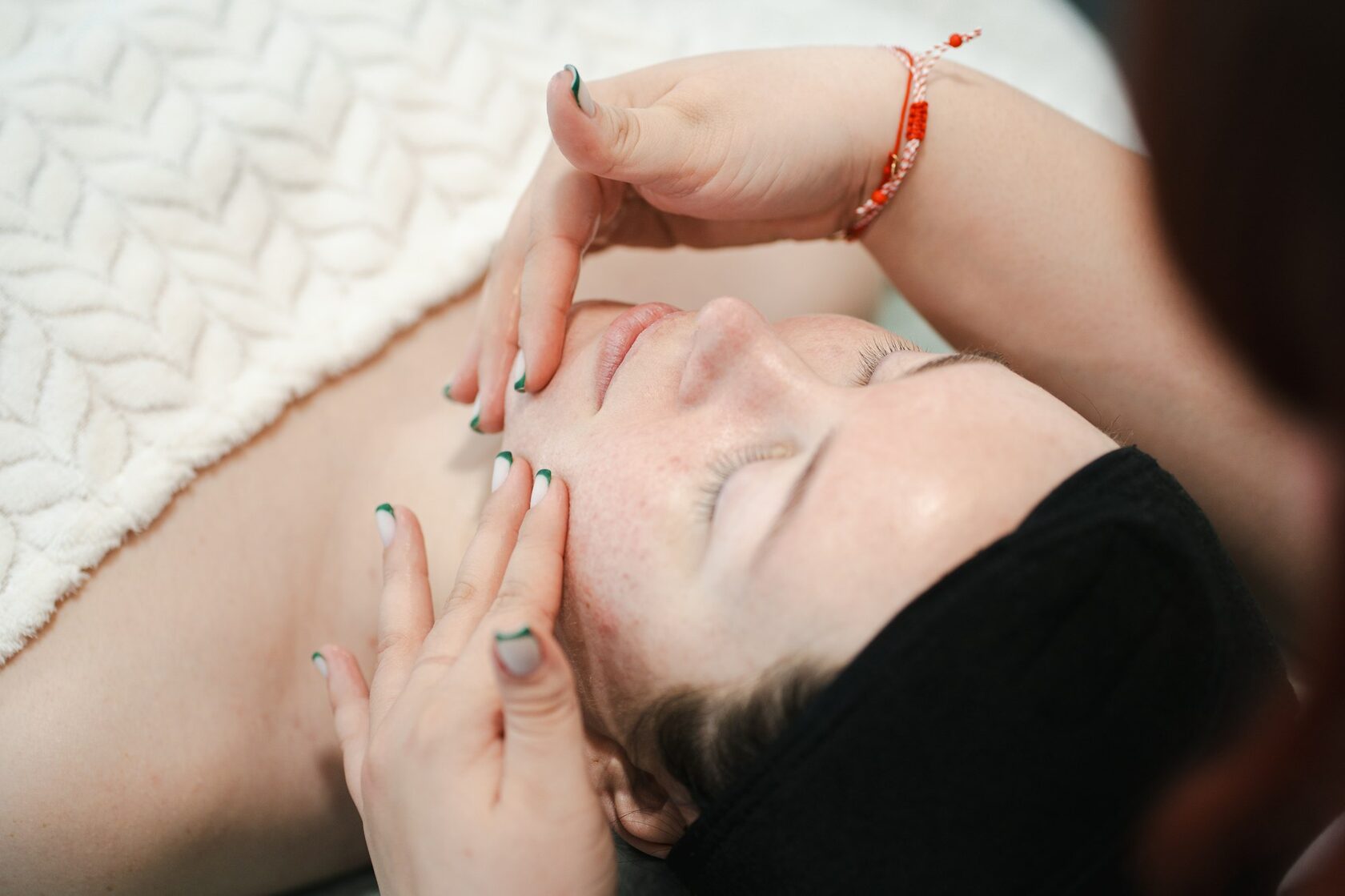
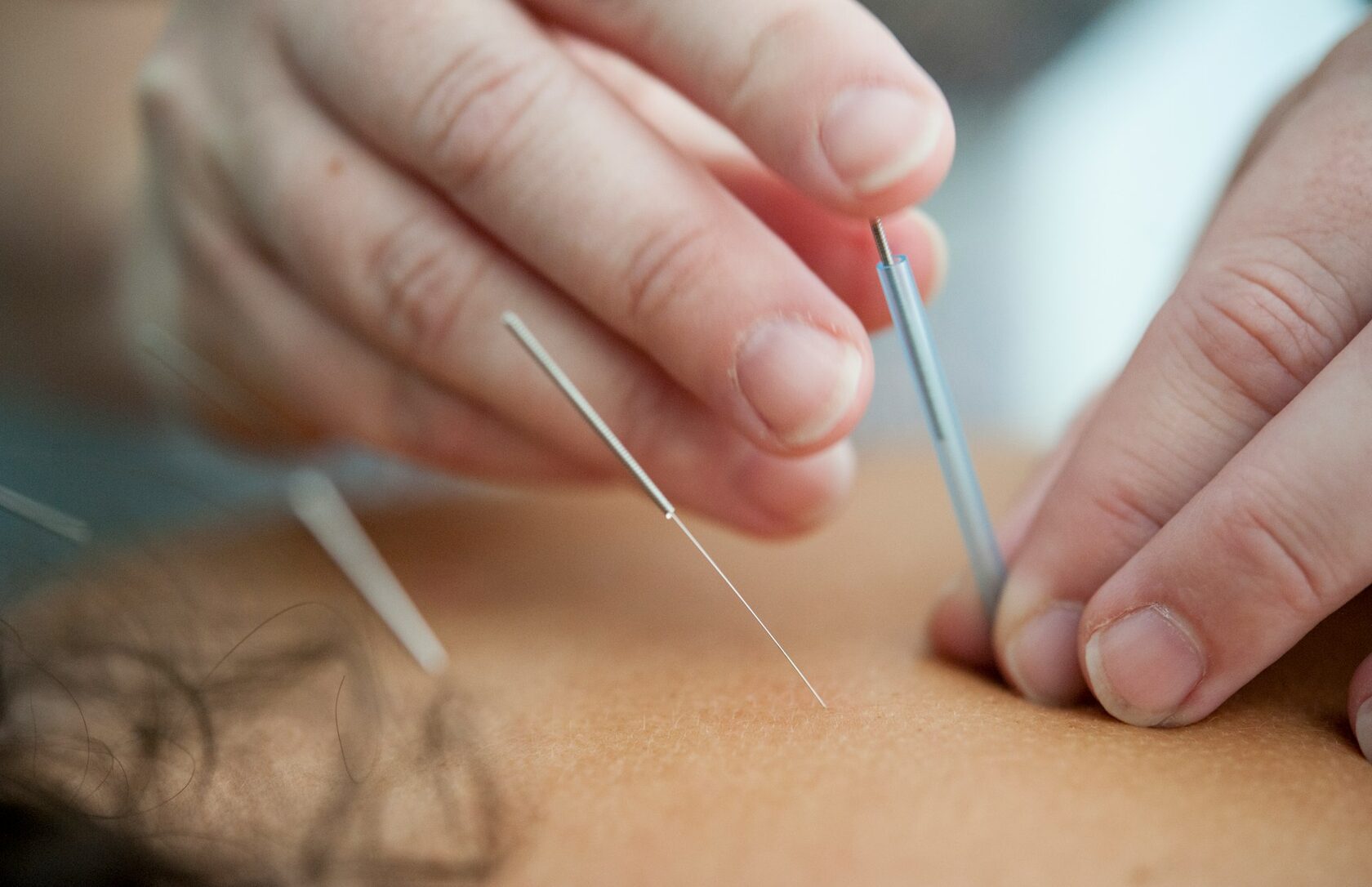
Facial acupuncture uses very fine, single-use needles placed shallowly into points on the face,
scalp and neck — it is a clinical treatment, not a facial.
In a hurry
Facial acupuncture is real acupuncture — fine, sterile, single-use needles placed shallowly into specific points on the face, scalp and neck.
The best-supported uses are headaches and facial pain, and as an add-on to rehabilitation after facial nerve weakness.
Claims about lifting, detoxing, boosting collagen or draining the lymphatics are not supported by good evidence.
It is only as safe as the practitioner: check their training, insurance and clean-needle technique before you book.
Two things get called "facial acupuncture", and confusing them is the source of most of the
wild claims in this area. The first is a medical treatment: fine, sterile, single-use
needles placed at specific acupuncture points on the face, scalp and neck, usually shallow,
in the treatment of pain, headache and nerve-related symptoms. The second is a beauty
service — often sold as "no-needle acupuncture", "bio-light lifting" or "lymphatic
acupuncture" — which involves no needles at all and is really a massage, a pressure-point
routine or a clever facial. The first is a regulated clinical procedure. The second is a
spa treatment with a clinical-sounding name.
So let us be clear about the question worth asking: what does needling the face actually
achieve? The honest answer is narrower than the advertising and stronger than sceptics often
assume. There is reasonable evidence for headache and facial pain, promising but
still-developing evidence for facial nerve rehabilitation, and almost nothing for the
beauty promises.
What facial acupuncture actually is
Acupuncture itself is a whole-system practice, but the facial variant is a defined
protocol: a set of points around the forehead, temples, cheeks, jawline, scalp and
neck, chosen to match the pattern of symptoms being treated. Needles are typically
inserted between 2 and 5 millimetres deep, often angled, and left in place for around
twenty to thirty minutes.
Assessment first. A good practitioner takes a full medical history, including medication, pregnancy, bleeding problems, implants and previous surgery, before touching your face.
Points rather than zones. Points are chosen from a diagnostic framework — tongue, pulse and facial symmetry are all used to decide which points to needle.
Shallow and specific. On the face the needles sit close to the surface, along channels that run over the muscles of expression, the jaw and the scalp.
Possibly combined with electroacupuncture. Some practitioners run a very low electrical current through the needles. This is not suitable with a pacemaker or other implanted electrical device.
A note on "no-needle" facial acupuncture
If nothing enters the skin, it is not acupuncture. That is not automatically a bad thing —
massage and pressure-point treatments are pleasant and harmless — but it means the
evidence on this page does not apply to them, and the price should reflect what they
actually are. Ask directly what is used, and whether the needles are single-use and
sterile.
The benefits with the best evidence behind them
Chronic headache and migraine
This is the strongest case, and it is not a weak one. Acupuncture is recommended in
national clinical guidelines as an option for chronic migraine and for chronic
tension-type headache, typically as a course of up to ten sessions over five to eight
weeks. Systematic reviews of acupuncture for migraine prevention report a reduction in
migraine days for some patients compared with sham treatment, though the effect is
smaller than with standard preventives and the studies are mostly of moderate quality.
The practical read is this: it is a reasonable thing to try if you have repeated
headaches and you would rather not add another daily medication, and it works best as
part of a plan that also includes sleep, hydration and — where relevant — a review of
the trigger patterns. It is not a cure for migraine, and it does not replace acute
medication for a severe attack.
Chronic facial pain and trigeminal nerve pain
Facial pain — including the shooting pain of trigeminal neuralgia, persistent facial
pain after dental work or surgery, and pain in the jaw joint — is another area where
acupuncture is used as an adjunct. The evidence here is weaker than for headache:
trials are small, blinding is difficult, and some of the best-known studies have been
criticised for their methodology. Still, it is one of the few non-drug options that
does not involve repeating the same treatment that has not worked, and some people
find meaningful relief.
Needling the face is a way of changing how the nervous system processes a signal. That is
a real mechanism with real evidence behind it — for pain, not for the mirror.
Wellroot editorial note
Facial nerve weakness after Bell's palsy or a stroke
This is the most hopeful emerging use. When the facial nerve is affected, the face drops,
the eye may not close properly and smiling becomes difficult. Standard care is early
steroids, eye protection and structured facial exercises — and the exercises are the
part people find hardest to keep up.
Several small trials have tested acupuncture alongside facial exercises, with some
reporting faster improvement in facial symmetry scores and less residual stiffness.
The samples are small, the treatment protocols vary, and certainty is low. It is
reasonable to consider as an addition to a rehabilitation programme, and not reasonable
to substitute for one, or to delay steroids, eye care or physiotherapy.
Single-use sterile needles, opened in front of you. A practitioner who will not do this is not worth booking.
Sinus pressure and jaw tension
There is modest evidence for acupuncture in chronic rhinitis and sinusitis symptoms, with
some trials reporting reduced congestion and fewer symptoms after a course of treatment.
The certainty is low, the protocols vary, and it does not replace assessment of a sinus
infection that needs antibiotics or an ENT referral.
For the jaw — the temporomandibular joint, teeth grinding and the facial tension that
comes with it — the evidence is better than people expect. Several trials report reduced
pain and lower jaw muscle activity after treatment. It is still an adjunct, and a night
guard or a dentist's splint addresses the cause rather than the tension.
The claims to be sceptical about
Some of the most common facial acupuncture claims have no clinical evidence behind them
at all. It is worth naming them explicitly, because they are what people pay for.
Supported or plausible
Fewer headache and migraine days, alongside other care
Reduced chronic facial and jaw pain
Support for facial nerve recovery as an add-on
Some relief of sinus and nasal symptoms
A marked relaxation effect and a calmer nervous system
Marketing, not medicine
Detoxing the face or the lymphatic system
Boosting collagen and "rebuilding" the skin
Lifting jowls, cheeks or a heavy brow permanently
Treating acne, pigmentation or ageing skin
Balancing the facial energy of specific organs
None of the claims on the right are dangerous in themselves, but they are expensive.
A course of facial acupuncture that has been sold to you as a "lift" is a cosmetic
procedure wearing a clinical vocabulary — and it should be priced and described as one.
What happens in a session
A first facial acupuncture appointment runs longer than later ones, because the
consultation is doing most of the safety work.
Consultation10 min
Your symptoms, your medical history, your medication, pregnancy status and any
implants or bleeding problems. Expect to be asked about all of them, and expect
the practitioner to refer you back to your GP for anything they do not treat.
Face and scalp assessment5 min
The practitioner looks at how your face moves, where it is tight or tender, and
checks the skin for infection, lesions or recent procedures. This is where a
trained eye earns its fee.
Needle placement10 min
Usually twenty to forty needles, placed shallowly on the forehead, temples, cheeks,
jawline, scalp and neck. Each one is used once, opened in front of you, and goes
straight into a sharps bin afterwards.
Rest with the needles in20–30 min
You lie still. Most people find this deeply relaxing; some fall asleep. A mild
aching or a spreading warmth around each point is normal and usually settles within
a minute or two.
Removal5 min
The needles come out, the sites are checked and gentle pressure applied to any
point that is bleeding a little. Bruising around the mouth, chin and brow is the
most common after-effect, usually fading within a week.
Aftercare and the plan5 min
A plan: how many sessions, how often, and what the goal is. If nothing is changing
after three or four sessions, a good practitioner says so and suggests changing
approach rather than selling more appointments.
Is it safe, and how to choose a practitioner?
When it is done properly, facial acupuncture has a low rate of complications and a very
good safety record. The risks are real but small, and they concentrate around the eye,
around bleeding and around infection.
Single-use needles, opened in front of you. Reusable needles are not acceptable. If a practitioner will not show you the sealed packet, walk away.
Qualified, insured and trained. Check for a recognised professional body membership, a biomedical degree in acupuncture or Chinese medicine, and public liability insurance. In the United Kingdom, acupuncture is not statutorily regulated, which makes this check more important, not less.
Clear on referral. Any practitioner who treats a new facial weakness, one-sided facial droop or a sudden severe headache without sending you to a doctor is a red flag.
Pregnancy. Tell them before you book. Needling the face is generally considered low risk in pregnancy, but points and protocols vary, and the session should be adapted.
Blood thinners and bleeding disorders. Check with your doctor first, and tell the practitioner about every medication you take, including over-the-counter ones.
Implants and electrical devices. Pacemakers, cochlear implants and defibrillators rule out electroacupuncture. Manual needling is a different matter, but must be discussed openly.
Skin conditions. Do not needle over active infection, eczema flares, cold sores, open wounds or very recently injected filler in the area.
The eye question. Needles are never placed inside the orbit, and a trained practitioner will keep clear of the eyeball itself. Cases of retinal injury are rare but documented, which is why the anatomy matters.
The single most useful question to ask a practitioner is not about their training
history. It is: what happens if this does not work, and when do you stop?
Wellroot editorial note
How to get the most from a course
Agree the goal in writing. "Fewer headache days" and "better smile after a stroke" are measurable. "Look younger" is not, and it is where the money goes.
Expect a course, not a miracle. Most evidence-based uses are evaluated over six to ten sessions. One session is rarely enough to know whether a treatment works for you.
Book it alongside your medical care. It works best as an addition to a plan — physiotherapy for a facial weakness, a night guard for grinding, a headache diary and better sleep for migraine.
Track the thing that matters. Headache days per month, pain score, how wide your eye closes. A photo from the same angle every fortnight makes change visible when memory is not.
Set a review point. If there is no meaningful change after three or four sessions, treat that as information: change the plan, change the practitioner, or stop.
Frequently asked questions
Does facial acupuncture really work?
For some things, yes, with real evidence. Acupuncture is recommended in national clinical guidelines as an option for chronic migraine and chronic tension-type headache, usually as a course of up to ten sessions over five to eight weeks. The evidence for chronic facial pain is weaker but promising, and for facial nerve recovery after Bell's palsy or a stroke it is promising but still low certainty — an add-on to rehabilitation, not a replacement. The widely advertised beauty claims — lifting, detoxing, boosting collagen — are not supported by good research.
Is facial acupuncture safe?
Yes, when it is done properly, and complications are uncommon. The main risks are minor bruising, bleeding, a localised infection, and — rarely — injury to the eye. Always check with your doctor first if you take blood thinners, have a bleeding disorder, are pregnant, have a pacemaker or other implanted electrical device, or have an active skin infection or recent filler in the area being treated.
What happens during a treatment session?
You have a consultation and a facial assessment, then around twenty to forty single-use sterile needles are placed shallowly on the forehead, temples, cheeks, jawline, scalp and neck. You rest with them in for twenty to thirty minutes, they are removed and any minor bleeding is pressed. Sessions usually take 30 to 45 minutes, with the first one longer.
How many sessions will I need?
Most of the evidence is based on courses of six to ten sessions over five to eight weeks. Headache and facial pain protocols commonly use up to ten sessions. If you have not noticed a meaningful change after three or four sessions, that is useful information — talk to your practitioner about changing the plan rather than simply buying more appointments.
Does it hurt?
Most people describe a brief scratch or a spreading warmth rather than pain, with the needles so fine they are barely visible. A dull ache after the session is common, as is mild bruising around the mouth or brow that fades within a week. Tell the practitioner straight away if you feel sharp pain, and stop the session if you do.
How do I know if a practitioner is properly qualified?
Ask about their professional body membership, a biomedical degree in acupuncture or Chinese medicine, and public liability insurance. Watch them open the sterile needle packet in front of you, and confirm the needles are single-use and go straight into a sharps bin afterwards. Anyone who cannot answer these questions, or who promises a guaranteed result, is not who you want treating your face.
Sources
National Institute for Health and Care Excellence. Headache and migraine — pharmacological management (CG150), recommendations on acupuncture for chronic migraine and chronic tension-type headache.
Cochrane Database of Systematic Reviews. Acupuncture for the prevention of episodic migraine — systematic review and meta-analysis.
White B, et al. Acupuncture for Bell's palsy — Cochrane systematic review, including its assessment of the certainty of the evidence.
National Center for Complementary and Integrative Health. Acupuncture: what the evidence says about effectiveness and safety.
World Health Organization. Guidelines on basic training and safety in acupuncture.
International Classification of Headache Disorders (ICHD-3). Diagnostic criteria for tension-type headache and migraine.
Trials of acupuncture for chronic rhinitis, sinusitis symptoms and temporomandibular joint disorder — small and heterogeneous, with low certainty.
Medical disclaimer: this article is for general information and is not a substitute for
professional medical advice, diagnosis or treatment. Always consult a qualified healthcare
provider about a medical condition. Seek urgent medical care for sudden one-sided facial
droop, a severe or sudden headache, changes in your vision, or signs of infection such as
spreading redness or fever after treatment.
One calm email a week
Evidence-led notes on sleep, food, movement and stress — written by humans, sent on Sundays,
and easy to leave.
The benefits of a head spa treatment, explained plainly
What a scalp massage at a wash basin actually does for stress, tension headaches, sleep and hair —
which claims have real research behind them, and which are mostly marketing.
By the Wellroot Health Desk18 June 20258 min readReviewed by a GP
A head spa combines a hair cleanse at a basin with sustained scalp massage — a treatment built
around relaxation as much as grooming.
In a hurry
A head spa is a scalp massage and deep cleanse performed at a reclining wash basin.
The best-supported benefits are relaxation, lower physical tension and a cleaner scalp — not faster hair growth.
Evidence for stress relief is promising but small-scale; it is a genuine relaxation technique, not a medical treatment.
Book it every four to eight weeks for maintenance, and always tell the therapist about scalp conditions.
A head spa treatment — a reclining basin, a rinse, and half an hour of unhurried scalp work —
has moved from beauty counters into mainstream wellness faster than almost any other treatment
of its kind. It looks indulgent. The interesting question is whether it is more than that.
The short answer is that the benefits are real but narrower than the advertising suggests.
A head spa is a well-designed relaxation technique that happens to involve your scalp, your
neck and a warm stream of water. Used alongside ordinary hair care, it can genuinely help with
stress, muscular tension and scalp comfort. It will not regrow hair, it is not a treatment for
medical conditions, and it does not replace a consultation with your doctor.
What a head spa treatment actually involves
"Head spa" covers a range of formats, from a ten-minute add-on at a salon to a full
sixty-minute ritual. Most follow the same arc: a short consultation, a cleanse or conditioning
treatment, then the scalp massage itself, followed by a rinse and a style or blow-dry.
Cleanse or conditioning. A water-only cleanse or a mild shampoo, sometimes with a steam compress to soften the scalp.
Scalp massage. Fingertips working in small circles across the whole scalp, with pressure varying by area — lighter over the temples, firmer across the crown and the base of the skull.
Neck and shoulder work. The muscles under the skull and along the top of the shoulders receive the most sustained attention, because that is where screen-and-desk tension collects.
Optional extras. Steam, warm towels, essential oils, a leave-in treatment or a brief dry-brush before the wash.
The benefits with the best evidence behind them
Stress and the nervous system
This is where the strongest evidence sits, and it is worth being precise about it. In a small
controlled study published in the Journal of Physiological Anthropology, participants
who received ten minutes of head massage showed a reduction in blood pressure and in
stress-hormone markers immediately afterwards. Other small studies have reported similar
short-term drops in perceived anxiety.
The mechanism is plausible and undramatic: sustained touch, a warm environment, a fixed
position and a task with no decisions to make all lower arousal. That is closer to a short
mindfulness session than to a medical intervention — which is exactly why it is worth doing
and exactly why it should not be sold as a treatment for anxiety disorders.
Tension in the neck, shoulders and head
The muscles at the base of the skull and along the upper shoulders are commonly tight, and a
head spa works on them directly and for a sustained period. Warm water relaxes tissue, and
the massage itself reduces the protective tension people hold without noticing. For the
everyday, screen-driven version of a tension headache — tight temples, aching neck, a heavy
feeling around the skull — many people find this genuinely helpful.
A head spa is best understood as forty minutes of enforced stillness with a useful purpose
attached — which is also why it works on people who find a normal massage too stimulating.
Wellroot editorial note
Sleep
There is no good evidence that a head spa directly improves sleep quality — no sleep-lab
studies, no convincing insomnia trials. What does exist is indirect: the treatment lowers
arousal and is usually booked in the evening, both of which are known to help people wind
down. Treat it as a reliable transition ritual rather than a sleep intervention.
Scalp and hair comfort
Here the mechanism is straightforward and visible. A proper cleanse removes product buildup,
excess sebum and residue that contribute to itching, flaking and a dull, heavy feeling in the
hair. Regular gentle scalp massage can also reduce the itch that follows a buildup, because
scratching and sensitivity are common consequences of an irritated scalp. Plenty of people
notice that their hair feels lighter and behaves better between washes.
The neck and shoulder muscles receive the longest, firmest part of the treatment.
What about hair growth?
This is the claim most often exaggerated. Scalp massage does increase local blood flow while
it happens, and there is a reasonable biological argument that better circulation supports
follicle function. The clinical evidence is thin: a handful of small studies, most with
subjective or indirect measures, some in animals, none large or replicated enough to be
treated as settled. There is no good evidence that a head spa speeds up hair growth in
someone with an underlying cause of hair loss.
That distinction matters more than it sounds. Hair that thins suddenly, in patches, or along
a widening parting is a medical signal — iron deficiency, thyroid problems, alopecia areata
and medication side effects are all common causes, and all of them need a doctor, not a
treatment menu. A head spa is a lovely thing to do while you wait for that appointment.
It is not the appointment.
A realistic expectation
Think of a head spa as maintenance for the scalp, neck and nervous system — closer to a
deep relaxation session with a good hair wash attached than to a therapy with a named
outcome. If your scalp is comfortable and your hair feels healthy, you are getting the
most it realistically offers.
How to get the most from a session
Ask what is included. A proper treatment should include a scalp massage of at least fifteen minutes, not a quick massage between rinsing steps.
Say what you want. "I carry tension in my neck and shoulders" leads to a different treatment than "I want to relax."
Check the products. Ask whether fragrance or essential oils are used. If you are pregnant, have allergies or a sensitive scalp, say so before anything touches your skin.
Keep the pressure comfortable. A good therapist checks in and adjusts. Clear, slightly deeper pressure on the scalp is normal; anything sharp is not.
Go to bed soon afterwards. The treatment leaves you pleasantly tired. It is most useful as the last hour of the day.
Book on a rhythm. Every four to eight weeks suits most people. Weekly sessions add cost without adding much benefit for a healthy scalp.
Is it safe?
For most people, yes. The risks are low and mostly about technique and ingredients rather
than about massage itself.
You should skip it, or check with your doctor first, if you have an active scalp infection,
open wounds, a recent scalp procedure or head injury, an acute flare of eczema or psoriasis,
or if you take blood-thinning medication. Tell the therapist if you wear extensions, have
tight or braided hair, or have dreadlocks, so the work can be adapted. If you are pregnant,
check which oils are used first.
Frequently asked questions
What exactly happens in a head spa treatment?
You recline at a wash basin. After a consultation, the scalp is cleansed or conditioned — sometimes with a steam compress — then massaged with the fingertips in small circular movements across the whole head, working down into the neck and shoulder muscles. The hair is rinsed, treated and dried or styled. Sessions usually run 30 to 60 minutes.
Does a head spa really help with stress?
It reliably reduces short-term perceived stress, and a small controlled study found reductions in blood pressure and stress-hormone markers after ten minutes of head massage. The evidence base is still small, so treat it as a genuine relaxation technique rather than a treatment for a diagnosed anxiety condition. For anxiety that is affecting your daily life, a GP or therapist should be involved.
Can a head spa make my hair grow faster?
There is no convincing clinical evidence that it does. Scalp massage increases local blood flow while it happens, and there is plausible biology behind that, but the studies are small, partly animal-based and not replicated at scale. It may improve how your hair feels by removing buildup and reducing an itchy scalp, which is a different claim — and a real one.
How often should I get one?
Every four to eight weeks is a sensible rhythm for most people, and monthly is plenty for maintenance. If you work at a desk, hold tension in your neck, or find that your scalp gets oily or itchy quickly, going more often can be useful. Weekly sessions rarely add much beyond that.
Is it safe if I have a sensitive scalp or a skin condition?
Book with care. Tell the therapist about any scalp condition before the treatment starts, and ask them to use fragrance-free products if you are reactive. Avoid treatment during an active eczema or psoriasis flare, over open wounds or a recent procedure, and check with your doctor if you take blood-thinning medication or are pregnant.
Sources
Iwao H, Taniguchi K. The effect of head massage on the autonomic nervous system. Journal of Physiological Anthropology, 2016.
National Center for Complementary and Integrative Health. Relaxation techniques and the autonomic nervous system — evidence summary.
American Academy of Dermatology. Patient guidance on scalp and hair care, including the use of scalp massage.
Harvard Health Publishing. Massage and the nervous system — what the research supports.
International Classification of Headache Disorders (ICHD-3). Criteria for tension-type headache.
Emerging small-scale studies on scalp massage and hair density; findings preliminary and not established.
Medical disclaimer: this article is for general information and is not a substitute for
professional medical advice, diagnosis or treatment. Always consult a qualified healthcare
provider about a medical condition, and seek urgent care for severe, sudden or persistent
headaches, scalp infections or sudden hair loss.
One calm email a week
Evidence-led notes on sleep, food, movement and stress — written by humans, sent on Sundays,
and easy to leave.
Two blocks of content do the work: an index where every article is listed, and a ready-made
article layout you duplicate for each new post. You write the text, publish the page, and the
index updates. No CMS connection, no developer needed.
The four-step routine
Duplicate the article block
Open the published Ayurveda guide block on your site and copy it, then paste a copy onto
the page that will hold the new article. A copy keeps every style, so the new post looks
identical to the first one.
Write the piece into the template
Replace every bracketed placeholder marked in Part 2: title, summary, date, reading time,
headings, paragraphs, the key list, the pull quote, the FAQ, the sources and the disclaimer.
Turn on “Show editing notes” to see the placeholders clearly.
Set the picture and the page settings
Swap the placeholder photo for your own from Tilda’s image library and write a short alt
description. In the page settings give the page a clean URL such as /articles/sleep-and-recovery,
a meta description of about 155 characters, and add it to the Blog menu.
List it in the index and publish
Add one entry to the index in Part 1 with the topic, date, reading time and a link to the new
page. Move the status label from Draft to Published when you are ready, then publish the page.
Topic
One of the existing topics — Ayurveda, Nutrition, Sleep, Movement, Stress & mood — so the filters on the home page keep matching.
Date
Written the way the site writes it: 11 June 2025. Keep it under the publication date.
Reading time
Word count divided by 220, rounded up. Six to nine minutes suits a health explainer.
Summary
One sentence of 20 to 30 words. It becomes the index line, the meta description and what a search engine shows.
FAQ
Three questions phrased the way a reader would type them. Each answer stays under four sentences.
Sources
At least two references for any health claim — a study, a guideline or a health authority. Name the year.
Disclaimer
Keep the closing medical note in every article. It protects the reader and the site.
Home page
Cover, article index, health topics, newsletter form and footer.
Article pages
One page per article, each built from a copy of the article block.
This page
A working page for you. Keep it unlisted or delete it once you know the routine.
Part 1 — the article index
Every article you publish gets a line here. Duplicate one entry, paste it below the last one,
and edit the text. The links below are examples of the format — point them at your own pages.
What traditional Ayurvedic medicine can realistically support, where the research is still thin,
and how to start without giving up the care your doctor already provides.
Gentle movement, daylight and breathing, in the order that makes them work for
bodies that wake up slowly.
Part 2 — the article template
This is the shape every article follows, shown on a sheet so you can read it as a finished page.
Turn on “Show editing notes” to see which parts to write. Copy the block once and it becomes
your starting point for every post.
Write here
Topic
Ayurveda
Title[ The headline of your article ]
Summary[ One sentence that answers the reader’s question in plain words. ]
BylineBy the Wellroot Health Desk11 June 20259 min read
Picture[ Optional caption: what the photo shows, plus a credit. ]
Opening[ Give the answer in the first two sentences. Then say what the reader will take away. ]
Heading[ First section heading ]
[ Two to four sentences, one idea per paragraph. ]
[ A second paragraph that adds detail or a practical example. ]
Heading[ Second section heading ]
[ First point, kept to one line. ]
[ Second point, kept to one line. ]
[ Third point, kept to one line. ]
Pull quote[ One sentence a reader would want to remember. ]
FAQ[ Frequently asked questions ]
[ The question a reader would type into a search engine ]
[ The answer, in two or three sentences. ]
[ A second question ]
[ A second answer. ]
Call to action[ One short invitation, for example: a weekly note, no ads. ]
Disclaimer[ This article is for general information and is not medical advice. Talk to your doctor before changing how you treat a health condition. ]
Latest articles from Wellroot
Practical, evidence-aware writing on Ayurveda, nutrition, sleep, movement and stress —
reviewed for accuracy and written for everyday life rather than exam rooms.
Oil massage, shirodhara, herbal rasayanas and daily routine: what the research supports,
what it does not, and the safety checks worth doing before you begin.
Building a balanced plate without a nutritionist in your budget
A simple framework for steady energy, adapted from Ayurvedic meal logic and modern
nutrition research — no powders, no banishments.
In preparation
Movement·5 min
A ten-minute morning routine for stiff joints
Sun salutations, joint circles and breath — how much gentle daily movement is enough
to keep joints comfortable through the seasons.
In preparation
Ayurveda·7 min
Reading an Ayurvedic herb label like a pharmacist
Botanical names, plant part, extraction method, heavy-metal testing: the four details
that tell you whether a remedy is worth trusting.
In preparation
Sleep·6 min
The 90-minute rule: winding down before you feel sleepy
Ayurvedic dinacharya and modern sleep research agree on more than you would expect —
here is how to rebuild an evening that ends in real rest.
In preparation
Stress & mood·5 min
Pranayama for people who cannot sit still
Four minutes of alternate-nostril breathing, the physiology behind it, and when
breathwork is the wrong tool for what you are feeling.
No articles match that search yet. Try a broader word — or read the Ayurvedic guide while the next issue is being written.
Ayurveda · Evidence guide
The benefits of Ayurvedic treatments: a realistic guide
Ayurveda can be a useful companion to modern healthcare — most clearly for stress, sleep,
digestion and daily energy. Here is what each major treatment involves, which benefits
the evidence actually supports, and the safety checks to make before you begin.
WRThe Wellroot Health Desk
Published
· Updated · 9 min read
Ayurvedic treatments are often described with two contradictory words: ancient and
modern. The tradition behind them is thousands of years old, while the claims made
for them in shops and on social media are usually very recent. Both facts matter, because
the honest answer to “what are the benefits of Ayurvedic treatments?” is neither
“miraculous” nor “none at all”. It is useful in specific, mostly modest ways —
and worth separating carefully from the claims that no evidence supports.
This guide walks through what Ayurveda involves, the treatments people ask about most, the
benefits with the best evidence behind them, and the safety checks worth doing first. It is
informational writing, not individual medical advice.
What Ayurveda actually is
Ayurveda is a whole-system approach to health built on one idea: your health depends on a
balance of three natural forces — Vata, Pitta and
Kapha — and on how your daily life sits in relation to them. A practitioner
assesses your prakriti (your underlying constitution) and vikriti (your
current imbalance), then treats with a combination of four pillars: ahara
(diet), vihara (daily routine and movement), aushadha
(herbs and preparations) and, in some cases, panchakarma (supervised
purification).
That framework matters for how you read the evidence. When studies show that yoga, meditation
or a specific herb helps, they are usually testing one component of Ayurveda — not the whole
consultation-based system, and not the claims of constitutional typing, which has not been
reliably validated.
The Ayurvedic treatments people ask about most
Abhyanga (oil massage)
A full-body massage with warm herbal oil, traditionally sesame-based. It is the most
widely used practice in Ayurveda and the easiest to add to a routine at home.
Shirodhara
A slow, continuous stream of warm oil poured onto the forehead. Usually offered in
clinics as a relaxation and sleep-support treatment.
Rasayana preparations
Rejuvenative herbal formulations — ashwagandha, guduchi, triphala, turmeric and similar
plants — taken as powders, tablets or decoctions.
Panchakarma
A multi-week clinical programme of controlled purification, usually involving induced
vomiting, purgation, enemas and nasal therapies. It is intensive and not a home
treatment.
Dinacharya and vihara
Daily routine, seasonal rhythm, diet, yoga, pranayama and sleep habits — the everyday
layer of Ayurveda, and the part most people can sustain.
The benefits with the best evidence behind them
The strongest findings cluster around stress, sleep, pain and metabolic markers,
and they mostly come from specific components rather than the system as a whole.
Stress and anxiety regulation. Meditation, pranayama and yoga have
consistent evidence for small-to-moderate reductions in perceived stress and anxiety
symptoms. Trials of ashwagandha also report reductions in perceived stress and cortisol
compared with placebo, though study sizes and quality vary.
Sleep quality. Meditation, yoga nidra and some herbal preparations have
improved sleep onset, sleep efficiency and perceived quality in small clinical trials.
The effects are usually modest and rarely measured beyond a few weeks.
Pain, stiffness and joint comfort. This is where the evidence is
strongest and least mystical: yoga-based programmes help chronic low-back pain and
mobility, and warm oil massage reliably reduces the sensation of stiffness. Ayurvedic
topical oils are far less studied than yoga itself.
Metabolic and cardiovascular markers. Yoga and meditation are
associated with modest improvements in blood pressure, blood sugar control and
triglycerides. Dietary patterns inspired by Ayurveda — regular meals, less refined
sugar, plenty of vegetables — track well with the same outcomes.
Skin and hair. Oil massage with sesame or coconut oil improves
moisturisation and may help with dryness and scalp comfort. Claims about “detoxifying”
skin or reversing hair loss are largely traditional rather than clinically established.
Everyday wellbeing and self-efficacy. Consistently the largest reported
benefit in patient surveys: people feel more in charge of their own routines, sleep and
food choices. It is a real benefit, but it is not the same as treating a disease.
“The most durable gains from Ayurveda come from the daily layer — regular meals, a consistent
sleep and movement rhythm, and oil massage you can actually keep doing.”
Wellroot summary of the current evidence
Where the evidence is thin — and where to be sceptical
You should be cautious with any Ayurvedic claim that a treatment can cure a disease, replace
medication, “detox” the body comprehensively, or treat an autoimmune condition without
conventional care. Most trials are small, short, heterogeneous and difficult to replicate;
many do not separate the herb from the attention, massage and lifestyle changes that come
with it. Ayurvedic constitutions (doshas) have not been validated as diagnostic categories
in independent studies.
PancaKarma programmes deserve particular caution. They can be genuinely uncomfortable, and
controlled purging carries real risks — including dehydration, low blood pressure and
electrolyte imbalance. If a clinic promises that one course will resolve a chronic
condition, that is a reason to slow down, not to sign up.
Safety checks to make before you start
Talk to your doctor first
Herbal remedies and conventional medicines can interact. Tell your clinician about every
Ayurvedic product you take — including oils and powders — especially if you are pregnant
or breastfeeding, managing diabetes or thyroid conditions, taking anticoagulants, or
preparing for surgery.
Check for heavy metals. Some Ayurvedic products, particularly
mineral-based bhasmas and leaded compounds, have been found to contain lead, mercury or
arsenic. Choose products with third-party heavy-metal testing and certification, and avoid
unlabelled preparations sold loose.
Watch for known interactions. Ashwagandha can affect thyroid function and
sedatives; licorice can raise blood pressure and lower potassium; turmeric and ginger can
increase bleeding risk with blood thinners; guggul interacts with several common medicines.
Use the right plant part and dose. Benefits in studies usually come from
a standardised extract at a specific dose, not from a "tonic" blend that contains a
fraction of it.
Patch-test everything topical. Oils and pastes can cause contact
dermatitis, particularly with sesame or nut-based products.
Do not stop prescribed treatment. The most common mistake in
complementary medicine is replacing something that works with something that feels
more holistic.
How to choose a practitioner
Look for recognised training (a degree in Ayurveda, or certification from an accredited
institution), a clear explanation of what your treatment involves and why, and a willingness
to coordinate with your other clinicians. Good practitioners ask about your medical history
and current medication, and they are comfortable saying “this is not something we treat”.
Red flags include guaranteed cures, pressure to buy a long course of supplements up front,
and a refusal to discuss ingredients or testing.
Frequently asked questions about Ayurvedic treatments
Are Ayurvedic treatments safe?
Many are, when they are used sensibly and made from tested products. The main risks
are heavy-metal contamination in poorly made mineral preparations, herb–medicine
interactions, and unsupervised intensive programmes. A qualified practitioner who
reviews your medication list and works alongside your doctor is the single biggest
safety factor.
How long before I notice a benefit?
For habits — routine, diet, breathing, massage — most people report noticing something
within two to four weeks, largely because the routine itself becomes easier to keep.
For herbs and clinical therapies, study periods are usually six to twelve weeks, so
give any treatment at least that long before judging it.
Can Ayurveda replace my medication?
No. There is no credible evidence that Ayurvedic treatments replace antibiotics,
insulin, antihypertensives, psychiatric medication or cancer treatment. Their
defensible role is complementary: supporting sleep, stress, digestion and habits
alongside the care you are already receiving.
What is Panchakarma, and do I need it?
Panchakarma is a supervised purification programme involving controlled vomiting,
purgation, enemas and nasal therapies. Most people do not need it. Gentle daily
practices — oil massage, regular meals, consistent sleep, breathing and movement —
deliver most of the practical benefit with far less risk.
Can I try Ayurveda alongside other treatments?
Yes, with two conditions: tell your doctor exactly what you are taking, and keep
doing it long enough to judge fairly. Start with one change at a time — for example a
ten-minute evening oil massage or a consistent meal and sleep rhythm — so you know
what actually helped.
A sensible way to start
Pick one sustainable habit rather than a full programme: a ten-minute evening abhyanga with
an oil you tolerate, a regular meal and wake time, ten minutes of slow breathing, or a
single herb with credible third-party testing discussed with your doctor. Track sleep, energy
and digestion for three to four weeks before deciding what to keep. That is the version of
Ayurveda that survives contact with a busy week.
Medical disclaimer. This article is for general information and education
and is not a substitute for advice from a qualified health professional. Always consult your
doctor before starting any new treatment, herb or supplement, especially if you are pregnant
or breastfeeding, managing a long-term condition, or taking prescribed medication.
A short digest of the week’s best wellness reading: one deep article, one practical routine,
and one myth worth dropping. No hype, no miracle cures, unsubscribe anytime.
One evidence-aware long read, roughly 900 words
One habit you can start the same day
Full source lists — you can check the claims yourself
About Wellroot and site information
Wellroot
A health and wellness journal for people who want the evidence, not the hype. We write about
Ayurveda, nutrition, sleep, movement and stress — and we say plainly when the research is
still thin.
Wellroot publishes general information about health and wellness. Nothing on this site is medical
advice, a diagnosis, or a substitute for a consultation with a qualified clinician. Always check
any new treatment, herb or supplement with your doctor before starting it.